Industrial Curtain Track Systems: Types, Mounting And Hardware
For custom curtain material and finished curtain pieces, see industrial PVC curtains.
The curtain system is only as good as the track system supporting it. A beautifully designed PVC curtain hung from inadequate track will bind, misalign, and fail.
Yet many buyers don’t think about track until they’re already committed to a installation. This is backwards. The right track system choice—made early—prevents expensive retrofitting and ensures smooth operation for years.
After 13+ years manufacturing and installing curtains, we’ve learned that track system selection is as important as material selection.
Here’s everything you need to know about track systems for industrial PVC curtains.
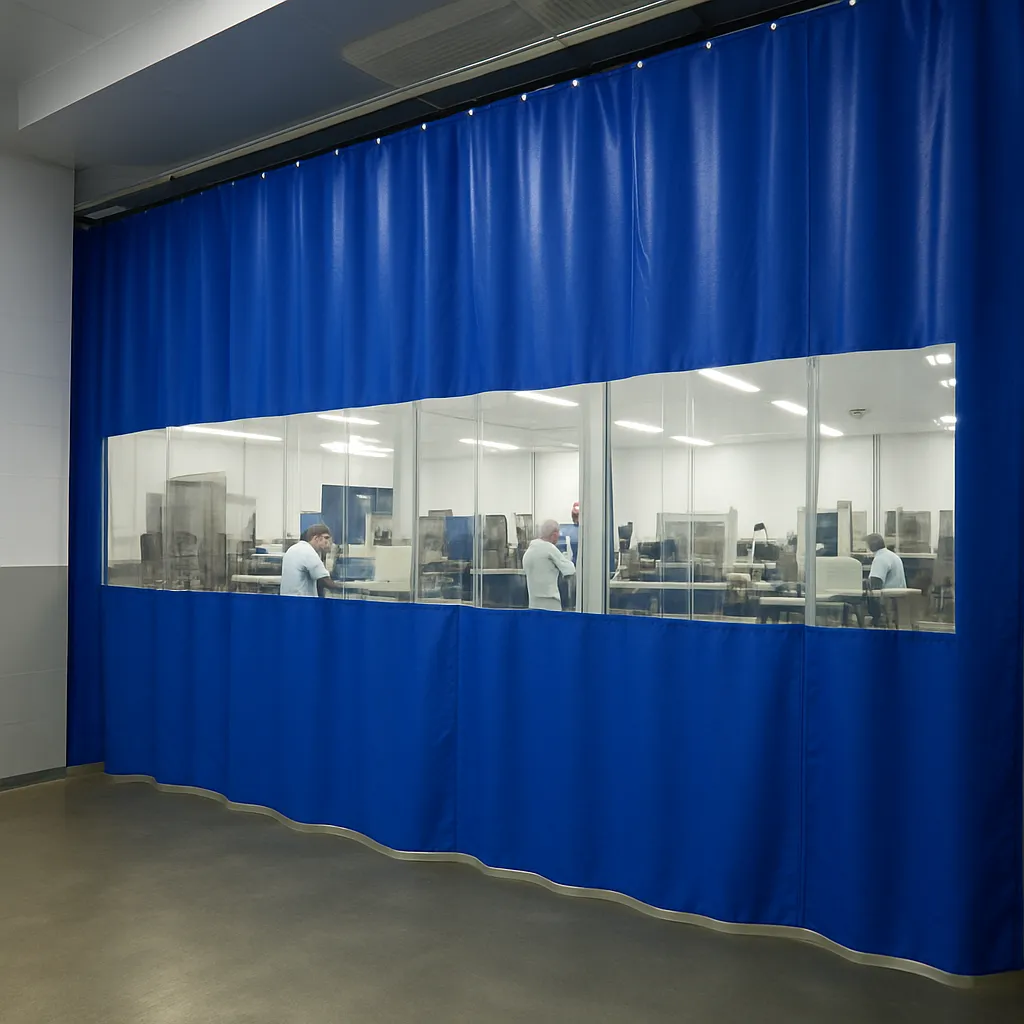
What Is a Curtain Track System?
A curtain track system is the “backbone” of your curtain system.
Components:
- Track channel — The rail that supports the curtain sections (typically I-shaped or U-shaped aluminum or steel)
- Carriers/rollers — Small brackets that roll inside the channel; curtain sections hang from these
- Fasteners — Bolts, welds, or clamps that attach the track to the ceiling or walls
- End caps & stops — Hardware that keeps curtain sections from derailing
- Splices & connectors — Joints for connecting multiple track sections
How it works: Curtain Sections hang from carriers that ride in the track channel. Curtain sections slide horizontally (or vertically) as needed, guided by the track.
Track System Types & When to Use Each
Type 1: Ceiling-Mount Track (Most Common)
What it is: Track bolted directly to the ceiling, curtain sections hanging below.
Best for:
- Warehouses with concrete or steel ceilings
- Any facility where overhead mounting is available
- Most standard industrial applications
Mounting surface requirements:
- Concrete ceiling (requires anchors/fasteners)
- Steel joists or beams (requires bolts)
- Wood framing (if solid and load-rated)
- Not suitable for: Drywall-only ceilings (would pull through)
Installation process:
- Mark mounting points on ceiling using chalk line or laser level
- Drill pilot holes at 16–24 inch spacing
- Install anchors (for concrete) or fasteners (for steel)
- Bolt track to ceiling; verify level
- Install carriers and test
Load capacity: 150–200 lbs per linear foot (adequate for most PVC curtains)
Budget level: medium (including hardware and labor)
Pros:
- Lowest cost
- Most reliable
- Simple installation (if ceiling is solid)
- High load capacity
Cons:
- Requires drilling into ceiling (structural penetrations)
- Not adjustable after installation
- If ceiling is sloped, track must be shimmed
When to choose this: Default choice for most facilities. Choose this unless you have a specific reason not to.
Type 2: Wall-Mount Track
What it is: Track bolted to a wall; curtain sections hang vertically down the wall or slide along the wall.
Best for:
- Facilities where ceiling mounting is not possible (low ceiling, overhead obstacles)
- Concrete block or brick walls
- Creating a vertical divider
Mounting surface requirements:
- Solid concrete block (6–8 inches minimum)
- Brick wall (solid, not veneer)
- Steel framing on wall
- Not suitable for: Drywall-only walls, stud framing without solid backing
Installation process:
- Mark vertical mounting points on wall using plumb line or level
- Drill pilot holes at 16 inch spacing (horizontal mounting holes)
- Install anchors/fasteners
- Bolt track to wall; verify plumb (vertical alignment)
- Install carriers and test
Load capacity: Similar to ceiling-mount, 150–200 lbs per linear foot
Budget level: medium (slightly higher than ceiling-mount due to wall anchoring complexity)
Pros:
- Works when ceiling mounting isn’t possible
- Simple installation (if wall is solid)
- Vertical dividers are possible
Cons:
- Curtain hangs down the wall (takes up floor space)
- Visual impact (track is visible on wall)
- Wall must be structurally sound
- Only works for vertical curtains, not sliding dividers
When to choose this: When ceiling mounting is impossible or your wall surface is more reliable than your ceiling.
Type 3: Freestanding I-Beam Clamp System
What it is: Track mounts to existing I-beams via adjustable clamps; no drilling required.
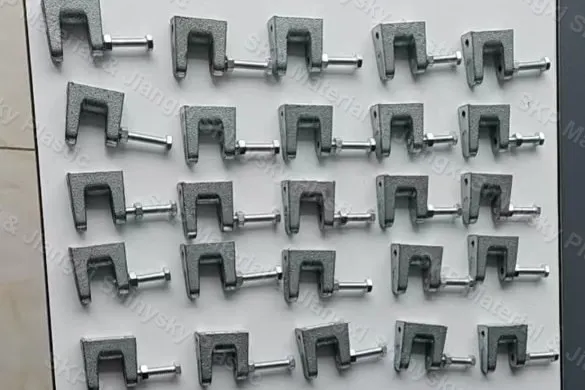
Best for:
- Steel-frame warehouses or industrial buildings
- Facilities where drilling the ceiling is not permitted
- Flexible/reconfigurable installations
- High-bay or tall structures
Mounting surface requirements:
- Existing I-beams or structural steel
- Beams must be 2–12 inches wide (depending on clamp type)
- Not suitable for: Concrete ceilings, wood framing, buildings without steel structure
Installation process:
- Locate I-beams in the desired location
- Position clamps on the I-beams
- Tighten clamps (no drilling needed)
- Bolt track to clamps
- Verify level; adjust clamp tightness as needed
- Install carriers and test
Load capacity: 200+ lbs per linear foot (higher than fixed mounting, due to robust clamp design)
Budget level: medium (significantly higher than ceiling-mount, due to specialized hardware)
Pros:
- No ceiling drilling/penetration
- Fully adjustable (can move track vertically or horizontally by loosening clamps)
- Mobile/reconfigurable (unclamp, relocate, reclamp)
- Works in steel-frame buildings
- Excellent for changing layouts
Cons:
- Highest cost
- Only works with I-beams
- Clamps can slip if not tightened properly (requires periodic verification)
- More complex installation (clamp alignment required)
- Not ideal for extremely high vibration environments (clamps may loosen over time)
When to choose this: When you need flexibility, don’t want ceiling penetrations, or are in a building with existing steel structure.
Type 4: Curved/Specialty Track
What it is: Track designed to turn corners or follow curved paths (L-shaped, U-shaped, or circular layouts).
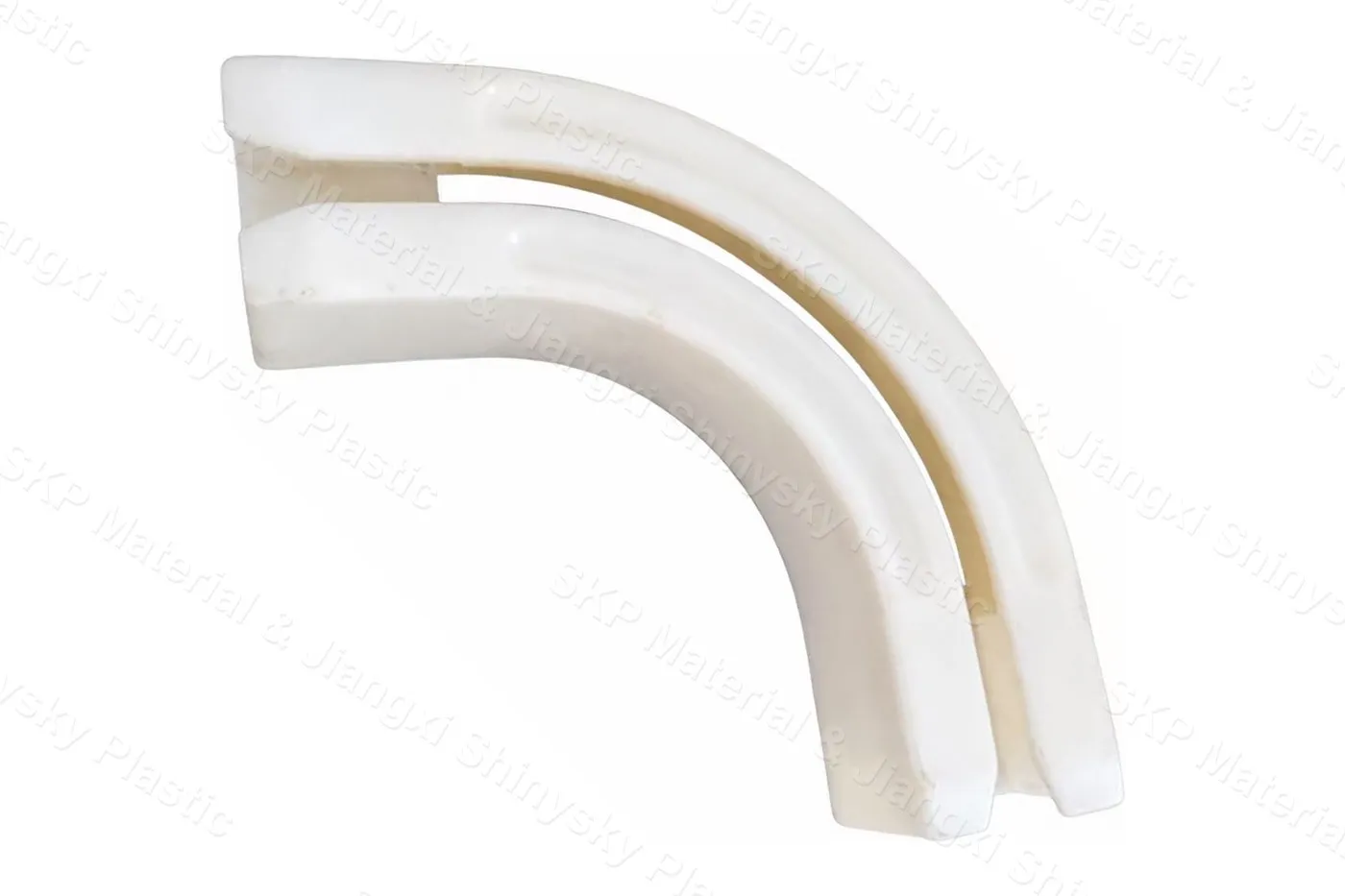
Best for:
- L-shaped or U-shaped enclosures
- Circular or curved curtains
- Specialized applications
Installation: Curved sections are custom-fabricated. Usually combines straight and curved track sections with precision joints.
Load capacity: Varies by design; typically 150–200 lbs per linear foot
Budget level: medium (significantly more due to custom fabrication)
Pros:
- Enables complex enclosure shapes
- Seamless curves (no corner gaps)
Cons:
- Expensive
- Custom fabrication delays (4–8 weeks typical)
- More moving parts (more potential failure points)
- Specialized installation required
When to choose this: Only if your layout requires curves and straight sections won’t work.
Track Materials (Galvanized Steel vs. Aluminum vs. Stainless)
Track material determines durability in different environments:
| Material | Best For | Cost Position | Durability | Maintenance |
|---|---|---|---|---|
| Galvanized Steel | General warehouse, car wash | lower | 10–15 years | Low (standard) |
| Aluminum | Lightweight applications, coastal | medium | 8–12 years | Low (naturally corrosion-resistant) |
| Stainless Steel | Wet/corrosive environments, food processing | higher | 20+ years | Very low (self-passivating) |
| Painted Steel | Indoor, light use | lower | 5–8 years | Moderate (paint may chip) |
Material Selection by Environment:
- Standard warehouse, dry: Galvanized steel (good value, adequate durability)
- Car wash, wet environment: Galvanized or aluminum (both handle water)
- Chemical exposure (welding, manufacturing): Stainless or epoxy-coated steel
- Outdoor: Aluminum or stainless (galvanized will eventually rust)
- Marine/coastal: Stainless only
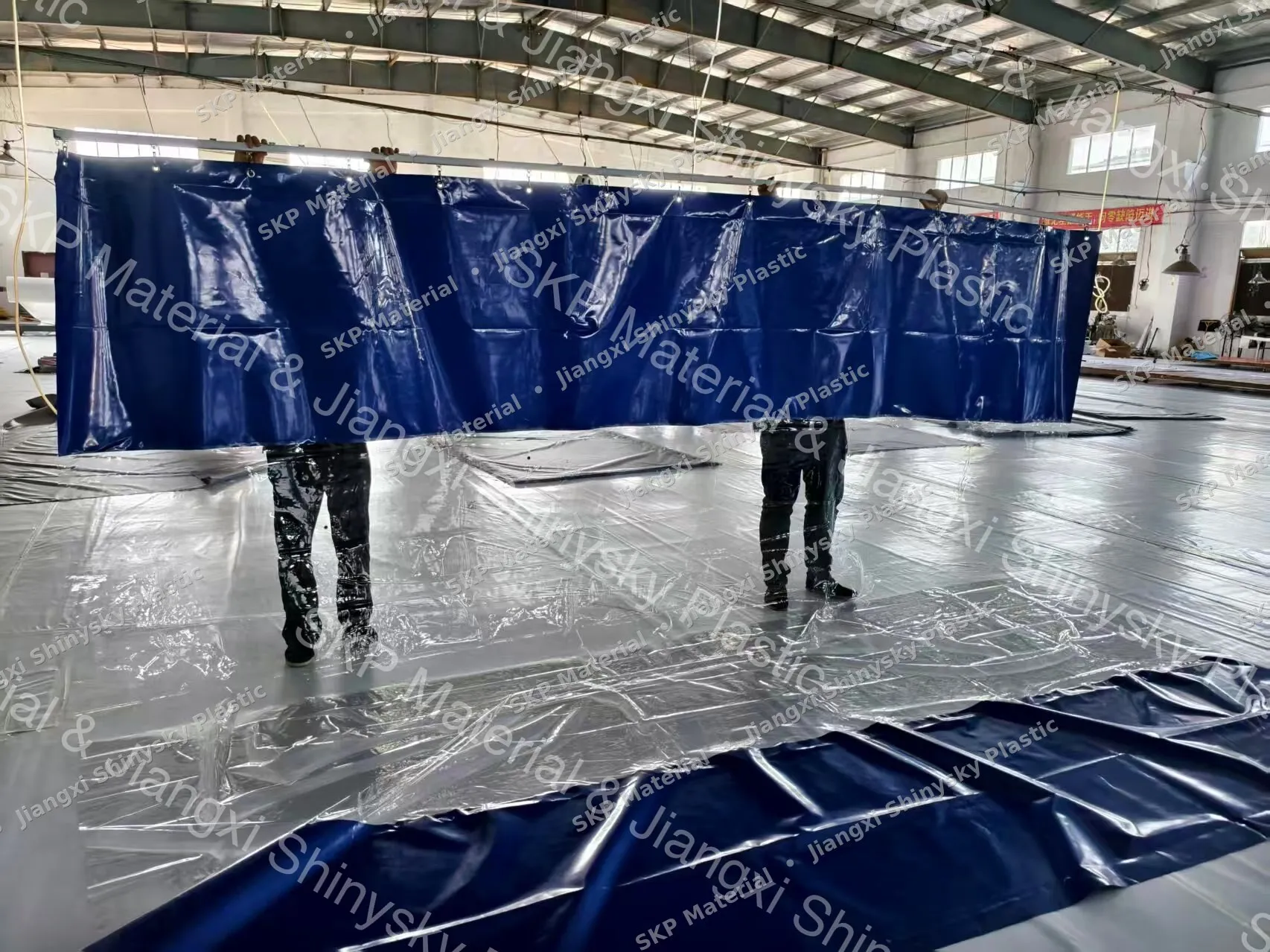
Carrier & Roller Types
Carriers are the small brackets that hold curtain sections in the track and allow them to slide.
[FACTORY DATA: SKP track system specifications—standard carrier types offered, load ratings by model, expected service life for standard vs. heavy-duty carriers]
Carrier Type 1: Ball-Bearing Rollers (Premium)
Design: Ball bearings inside the roller allow effortless rotation.
Pros:
- Smoothest slide action
- Lowest friction (easiest to push)
- Quietest operation
- Longest lifespan under heavy use
Cons:
- Most expensive
- Can jam if debris enters bearings
Best for: High-traffic applications, frequent use, heavy curtain sections
Carrier Type 2: Nylon-Wheel Rollers (Standard)
Design: Nylon wheel rides directly on track; no bearings.
Pros:
- Lower cost
- Adequate performance for most uses
- Good durability
Cons:
- More friction than ball-bearing
- Slightly more noise
- Shorter lifespan in high-use scenarios
Best for: Standard industrial use, moderate traffic, budget-conscious projects
Carrier Type 3: Precision Track Rollers (Specialty)
Design: Heavy-duty rollers with precision bearings; designed for extreme loads or frequent opening/closing.
Pros:
- Supports very heavy curtains (24+ oz PVC)
- Rated for thousands of cycles
- Smooth operation over long periods
Cons:
- Most expensive
- Overkill for light/moderate use
Best for: Production facilities, high-frequency use, heavy materials
Load Capacity & Curtain Section Weight Calculations
Track load capacity must match your curtain weight.
How to Calculate Curtain Section Weight:
Curtain Section Weight = Curtain Section Area (yard^2) × Material Weight (oz/yard^2)

Example:
- Curtain Section: 4 ft wide × 10 ft high = 40 sq ft = 4.44 yard^2 = 4.44 yard^2
- Material: 18.4 oz/yard^2 standard PVC
- Curtain Section weight ≈ 35–45 lbs (rough estimate)

Note: Exact weight depends on coating layers, seaming, and hardware additions.
Track Load Capacity:
- Standard track: 150–200 lbs per linear foot
- Heavy-duty track: 200–300 lbs per linear foot
- Specialty/engineering track: 300+ lbs per linear foot
Example:
- 50 ft wide curtain with four 4-ft curtain sections hanging across track
- Each curtain section ≈ 40 lbs
- Total load ≈ 160 lbs spread over 50 ft = 3.2 lbs per linear foot
- Standard track (150 lbs per LF capacity) easily handles this
Rule of thumb: Most PVC curtain installations are light enough for standard track. Only if you’re using extremely heavy material (30+ oz) or unusual loads should you need heavy-duty track.
Track Accessories
Beyond the main track and carriers, you’ll need several accessories:
End Caps & Stops
- Prevent curtain sections from derailing at ends
- Usually included with track systems
- Cost: Included in track package
Splice Connectors
- Join two track sections end-to-end
- Required if your span exceeds standard track length (usually 20 ft)
- Budget level: medium
Guide Rails (Optional)
- Keep curtain sections from tilting or derailing
- Used in high-vibration environments
- Budget level: medium for full span
Bushings & Bearings (Replacement)
- Carriers wear out over years; bushings can be replaced without replacing the entire track
- Budget level: medium/bushing
Lubricants (Maintenance)
- Silicone spray keeps carriers moving smoothly
- Use every 6–12 months in high-use installations
- Budget level: medium
Installation Best Practices
Before You Install:
- Verify structural integrity
- Concrete ceiling: No major cracks; rated for fastener loads
- Steel: No rust; rated for clamp loads
- Confirm with a structural engineer if unsure
- Check for level
- Use a 4+ ft level
- Mark level line with chalk line or laser
- Even 1/4 inch of tilt will cause binding
- Plan fastener spacing
- Concrete: 16–24 inches apart
- Steel: 12–16 inches apart
- Spacing depends on load and fastener type
During Installation:
- Install fasteners FIRST (don’t skip this step)
- Test each fastener with a hard tug before bolting track
- Loose fasteners cause track creep and misalignment
- Verify alignment constantly
- Check level after every 8–10 feet
- Check that carriers slide smoothly as you go
- Tighten fasteners in a pattern (not all at one end first)
- Works from center outward
- Prevents track bowing
After Installation:
- Test all curtain sections 10+ times before putting system into service
- Check for squeaking or binding
- Squeaks = need lubrication
- Binding = track misalignment (may need shimming)
Manufacturer Insight: Track System Failures We See
From manufacturing and installing track systems for 13+ years, here are the problems we see most often:
- Fasteners that weren’t inspected upfront — A bolt that looks tight may not be pulling track down properly. We now insist on fastener testing before track installation.
- Concrete anchor failures in high-vibration areas — A facility with heavy equipment nearby has track vibration that loosens anchors. Solution: Switch to epoxy anchors or engineer heavier fasteners.
- Ceiling slope not accounted for — A sloped ceiling (common in car washes) isn’t leveled at track installation. Curtain Sections bind at one end. Solution: Use shims at one or both ends to level track against the room, not the slope.
- Track rust from water splash — Even galvanized track corrodes over 5+ years if exposed to constant spray. Solution: Stainless or epoxy-coated track for wet environments.
- Carriers jamming from dirt — Concrete dust during installation gets into carrier bearings. Solution: Vacuum track thoroughly before hanging curtain sections; inspect carriers monthly.
- Clamps loosening on I-beam systems — Clamps tightened by someone unfamiliar with the tool. Inadequate clamp force allows track to slip. Solution: Use a torque wrench to spec; have periodic re-inspection.
FAQ
Q: Can I use residential curtain track for industrial curtain sections? A: No. Residential track is designed for lightweight fabric curtains (a few ounces). Industrial track must support 30–50+ lb curtain sections. Using undersized track will cause failure.
Q: What’s the maximum distance between fasteners? A: 16–24 inches is standard. Going beyond 24 inches risks track sag (especially if you have heavy curtain sections or vibration). Consult the track manufacturer’s specs.
Q: Can I mix track materials (aluminum + steel)? A: Generally not recommended. Different materials expand/contract at different rates, causing alignment issues. Stick with one material throughout.
Q: How often do carriers need replacing? A: With normal use, carriers last 5–10 years. Heavy use or high vibration shortens this. You can replace carriers without replacing the entire track system.
Q: Is curved track worth the cost? A: Only if your layout genuinely requires curves. If straight sections with 90-degree corners work, go with that. Curves are 2–3× more expensive.
Q: What if my ceiling is uneven/sloped? A: Use shims (thin metal wedges) under fasteners at high points to level the track. This is standard practice and adds minimal cost.
Ready to Choose Your Track System?
Send us photos of your ceiling/walls and your curtain dimensions. We’ll recommend the right track system and provide specifications.
Request a Quote with Track System Recommendation →
Questions about your specific installation? Our engineering team can review your ceiling type and help you choose the right system.
Related Reading
- Industrial PVC Curtains: Track Systems & Hardware
- Car Wash Curtain Installation: 7-Step Guide
- How to Measure for Industrial Curtains
- Industrial PVC Curtains
Ready to get started? Request a Custom Quote or Browse Our Curtain Products on Alibaba.
Author: SKP Material Engineering Team Published: April 2026 Topics: Track Systems, Installation, Industrial Hardware