Trailer Tarp Systems | Built Tough PVC Tarps for the Long Haul
Updated: August 22, 2025
Every mile a trailer travels, the elements test its limits. Rain, wind, UV rays, and flying debris work relentlessly against your load. For operators and fleets, trailer tarp systems are not simply accessories—they are critical investments in safety, compliance, and efficiency.
At SKP Material, we have a unique perspective. Unlike dealers who only sell assembled tarp systems, we are a PVC tarpaulin manufacturer. We design, weave, and coat the fabrics that become the backbone of tarp systems worldwide. This gives us unmatched insight into why some tarps fail after a season while others perform for years.
What Is a Trailer Tarp System?
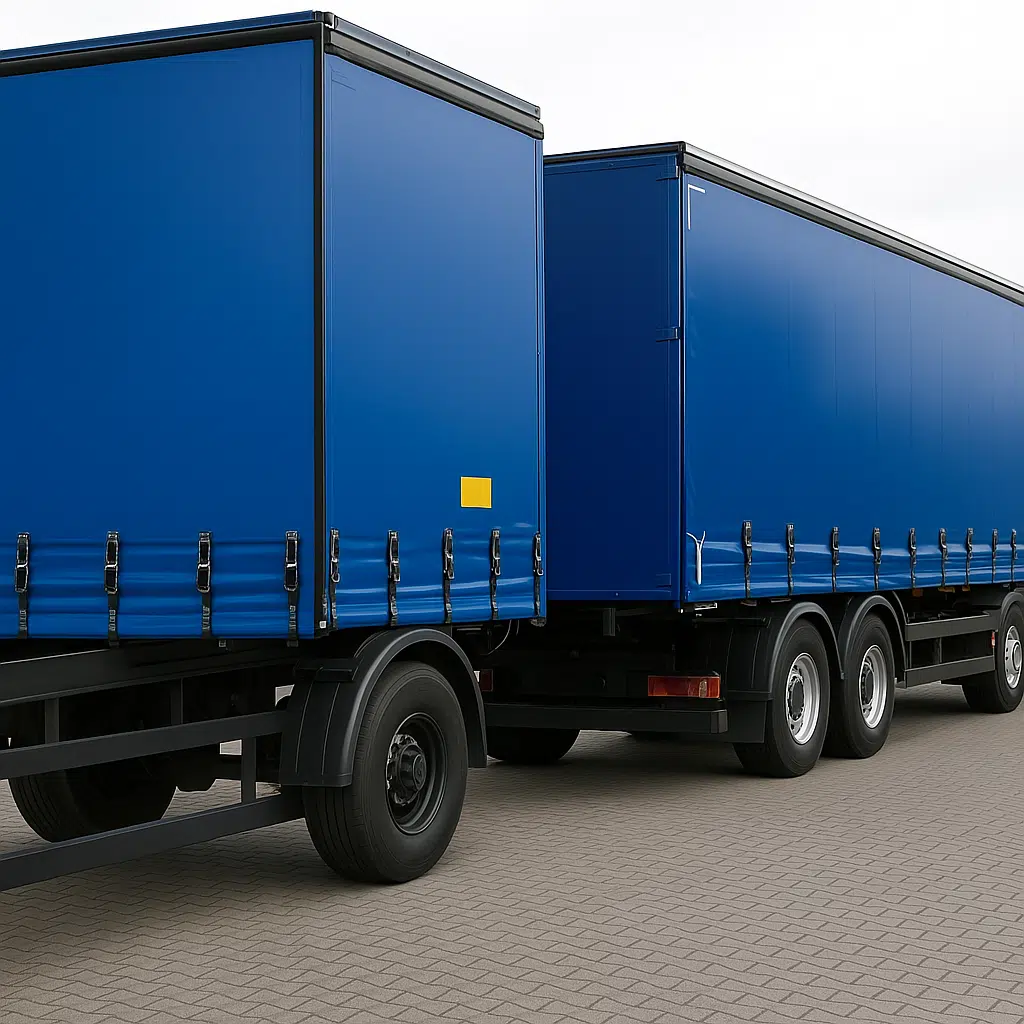
A trailer tarp system is a combination of mechanical structure and PVC tarpaulin cover designed to secure and protect loads quickly.
- Purpose: keeps cargo dry, contained, and compliant with transport laws.
- Operation: covers loads using cranks, cable drives, or push-button automation.
- Variations:
- Manual crank systems – low-cost, easy to maintain.
- Semi-automatic systems – use cable or roller assist for faster coverage.
- Electric/hydraulic systems – button-controlled, ideal for large or semi trailers.
👉 Learn more about tarpaulins vs. regular tarps: What Is a Tarp? Manufacturer Guide to PVC Tarpaulin Fabric
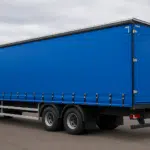
Semi Trailer Tarp Systems: Built for the Long Haul
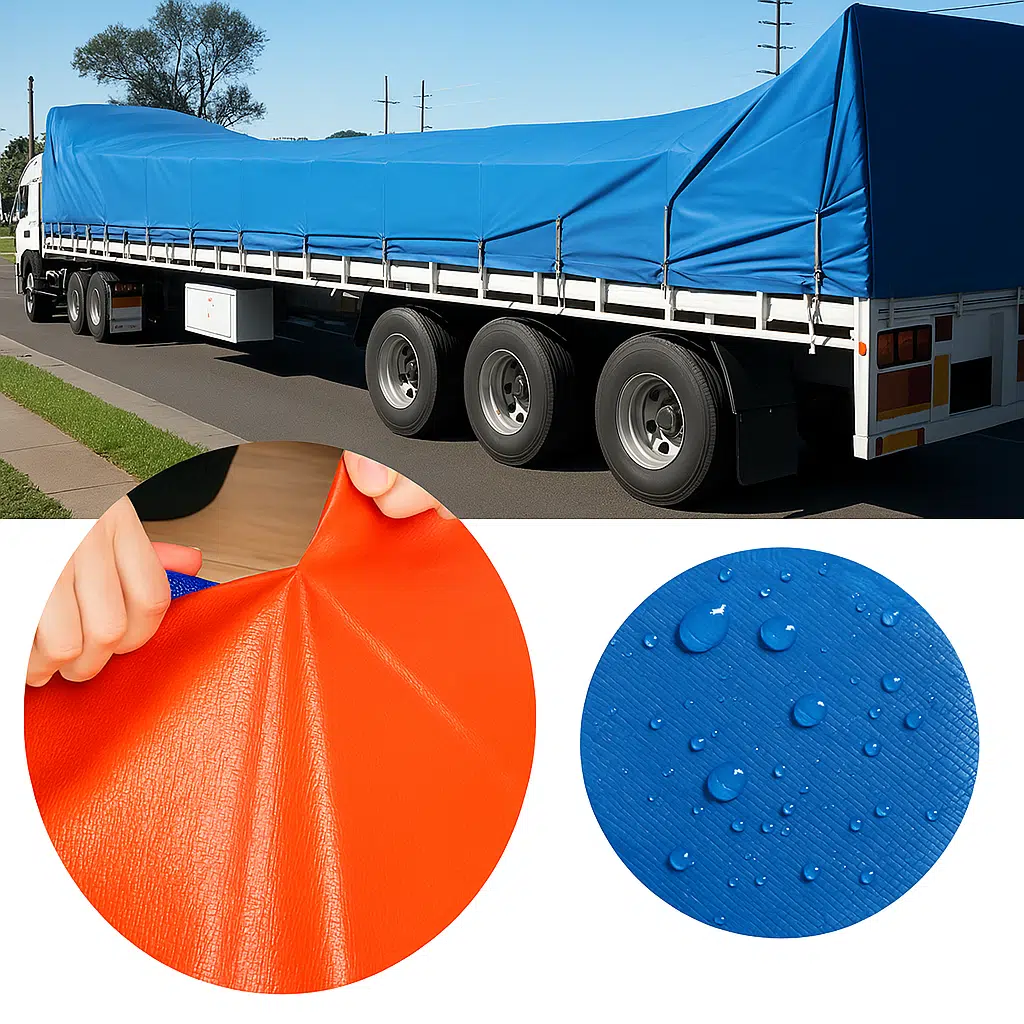
Semi trailers endure harsher conditions than regional trucks. Extended mileage, exposure to varying climates, and high-value loads demand systems that go beyond basic coverage.
- Durability: fabrics must resist tearing from wind whip and vibration.
- Waterproofing: RF-welded seams outperform stitched seams by keeping water out.
- Additive protection: UV stabilizers, flame-retardants, and anti-mildew treatments extend the life of the tarp.
For fleets, the right semi trailer tarp system is an operational necessity, reducing downtime and protecting against costly fines or cargo damage.
👉 Explore our PVC Tarpaulin Thickness Guide to choose the right balance of weight and durability.
The Material Science Behind Trailer Tarp Systems
While hardware determines how a tarp moves, material science decides how long it lasts. Nearly 90% of tarp system failures are fabric-related. That’s why understanding how PVC tarpaulin is engineered is the foundation of choosing a reliable system.
Base Fabric: The Skeleton of Strength
Every tarp starts with a woven polyester base. This grid of threads determines how much pulling force, tearing, or stretching the material can withstand.
- Yarn Denier: Most heavy-duty tarps use 1000D polyester, tightly woven for strength.
- Weave Density: Commonly 18×18 threads/in². Higher densities resist tearing better.
- Heavy-Duty Option: For extreme systems, 2000D yarns nearly double the breaking strength.
👉 See: How to Choose the Right Fabric for PVC Tarpaulin
Coating Method: The Armor
PVC coating transforms woven fabric into a waterproof, UV-resistant barrier. The method used determines adhesion, flexibility, and service life.
- Knife Coating – molten PVC is spread directly into fibers for superior bonding. Ideal for long-haul and semi trailer tarp systems.
👉 How Knife Coating Machines Produce PVC Tarpaulin - Hot Lamination – PVC films fused to fabric using heated rollers. Balanced cost and durability, suitable for mid-duty use.
👉 How Hot Laminating Machine Creates PVC Tarpaulin - Cold Lamination – films bonded with adhesive at low heat. Economical, flexible, and lightweight, but less durable.
👉 How Cold Lamination Creates PVC Tarpaulins
gsm & Thickness: Finding the Sweet Spot
Weight per square meter (gsm) and thickness are critical in balancing handling and durability.
- 650gsm (0.55 mm): Common for dump trailer tarps; flexible and reliable.
- 750–900gsm (0.62–0.72 mm): Standard for semi trailer tarp systems with daily use.
- 1100gsm (0.80 mm, 2000D yarns): Heavy-duty option for extreme hauling.
👉 Deep dive: PVC Tarpaulin Thickness Guide
Surface Treatments: Lifespan Boosters
Additives turn a good tarp into an excellent one:
- UV stabilizers extend life in sun-heavy climates.
- FR (flame-retardant) coatings meet safety standards.
- Anti-mildew protection prevents degradation in humid conditions.
- Acrylic or PVDF top coats improve cleanliness and printability.
👉 See: Additives Guide for Superior PVC Tarpaulin Performance
Seam Technology: The Weakest Link
Seams determine whether a tarp stays waterproof or fails under pressure.
- RF Welding: Fuses PVC layers into a single bond—completely watertight.
- Hot Air Welding: Strong and efficient, good for production speed.
- Stitched Seams: Economical but prone to leaks.
👉 Related: Vertical Integration in PVC Tarpaulin and Fire-Retardant Mesh Production
Color & Branding: Not Just Cosmetic
Color influences both performance and marketing.
- Dark colors resist UV longer.
- Light colors reflect heat and keep loads cooler.
- Custom printing turns tarps into brand advertising.
👉 More insights: How Color Choice Affects Your PVC Tarpaulin Awning’s Lifespan
Testing & Quality Assurance
Reliable tarp systems require rigorous testing:
- Tensile strength tests measure breaking force in warp and weft.
- Tear resistance tests ensure fabric won’t split when snagged.
- Hydrostatic pressure tests verify waterproofing.
- UV chamber tests simulate years of sunlight.
👉 Related: What Is the Thickest PVC Tarpaulin You Can Buy?
Components of a Trailer Tarp System
A tarp system is more than fabric. Components must work in sync:
- PVC Tarpaulin Cover – the protective shield.
- Tarp Bows – prevent sagging, allow water runoff.
- Stops & Rollers – guide movement smoothly.
- Crank Handles or Motors – manual, electric, or hydraulic operation.
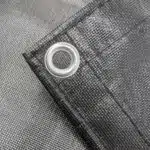
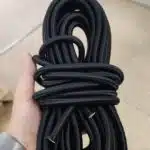
- Tie-Down Hardware – straps, grommets, and rubber tarp straps.
Trailer Tarp Systems by Application
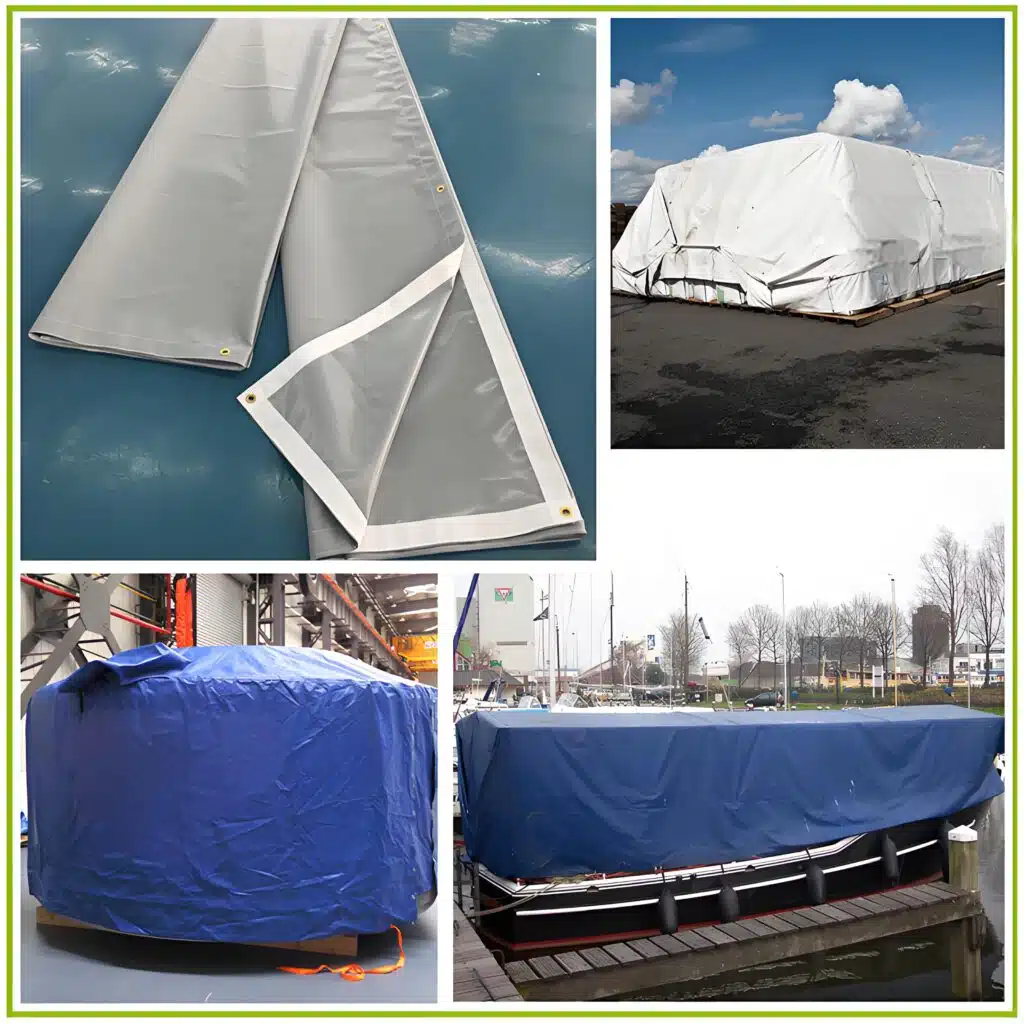
- Dump trailers: quick roll tarps with moderate gsm.
- Flatbeds: side-curtain tarps, often paired with curtainside trailer fabrics.
- Refuse trailers: side-to-side flip systems with FR tarpaulin.
- Agriculture: grain hoppers and silage covers requiring waterproof yet breathable fabric.
- Construction: tarp systems combined with sound barrier tarpaulins in urban sites.
Benefits That Go Beyond Cargo Protection
- Compliance: covered loads avoid fines.
- Safety: eliminates risky manual tarping.
- Efficiency: fuel savings from reduced drag.
- Longevity: additives and coatings extend service life.
- Branding: custom colors and prints double as advertising.
👉 Related: PVC Tarpaulin Applications in Transportation & Industry
Why Work With a Manufacturer Instead of a Reseller?
Most suppliers resell assembled kits. At SKP Material, we control every step:
- From weaving base fabric to applying functional coatings.
- Customized gsm, thickness, and additives for specific trailer systems.
- Large-scale, consistent supply from China and Vietnam factories.
- Proven OEM partnerships with fleets and equipment makers.
👉 More: Vertical Integration in PVC Tarpaulin Manufacturing
Closing Thoughts
A trailer tarp system is only as reliable as the fabric it’s built on. While hardware enables operation, PVC tarpaulin is the foundation of strength, waterproofing, and lifespan. By investing in the right material science, fleets reduce costs, increase safety, and improve efficiency.
👉 Explore our Trailer Tarp Products and discover why global fleets trust SKP Material as their PVC tarpaulin manufacturer.
Related Trailer Tarp Paths
These SKP pages connect trailer tarp planning to finished products and OEM fabrication capability.
- trailer tarp for finished trailer tarp products.
- PVC tarpaulin OEM custom fabrication for custom shape, high-frequency welding, accessories, hemming, and printing.