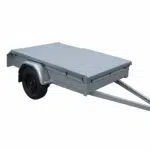
Rubber Tarp Straps for Trailer Mounting Systems
Quick Answer: Rubber tarp straps are elastic tie-downs that secure trailer tarps as part of the complete mounting system. These straps must match your hardware diameter – typically 6mm (0.24 inches) or 8mm (0.31 inches) – and come in lengths of 8m+ (26+ feet) for large trailer applications.
Rubber tarp straps play a crucial role in trailer tarp mounting systems, working alongside clamps, grommets, and other hardware to keep cargo secure during transport. These elastic components provide the flexibility needed to maintain proper tarp tension while accommodating load movement and settling.
Role in Trailer Tarp Systems
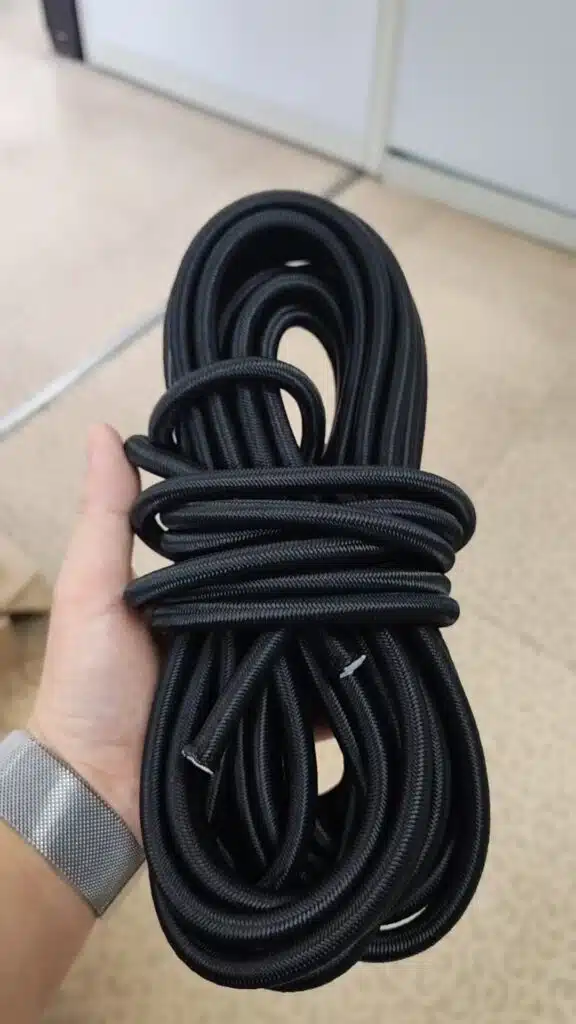
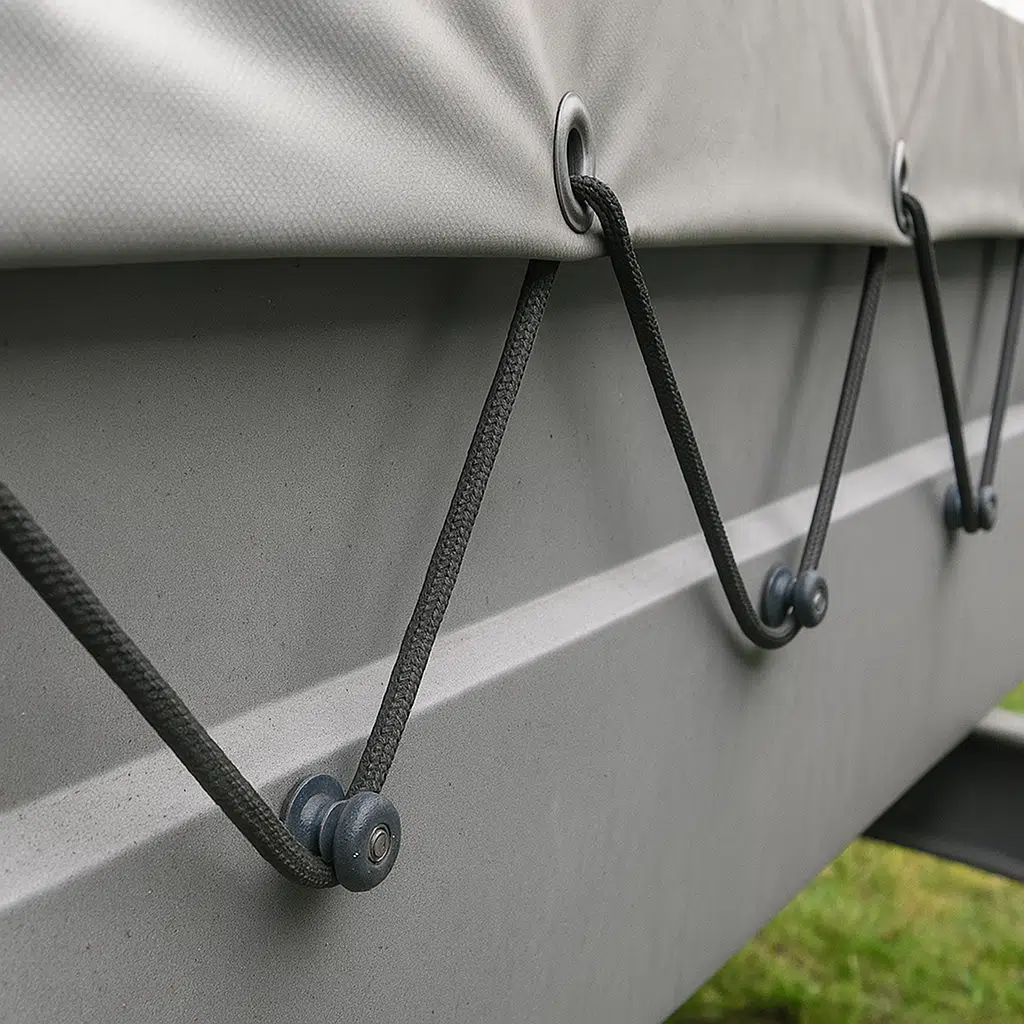
Rubber tarp straps serve as the connecting link between your tarp and the trailer mounting points. They work as part of a complete trailer tarp system that includes the tarp itself, mounting hardware, clamps, and securing mechanisms.
The straps provide consistent tension that keeps tarps tight against wind loads while allowing enough flexibility to prevent tearing during normal transport conditions.
Critical Diameter Compatibility
The most important factor when selecting rubber tarp straps is diameter compatibility with your existing hardware. Mismatched sizes create weak points that can fail under load.
Standard Diameters:
- 6mm (0.24 inches) – standard duty applications
- 8mm (0.31 inches) – heavy duty trailer systems
- 10mm (0.39 inches) – extreme duty use
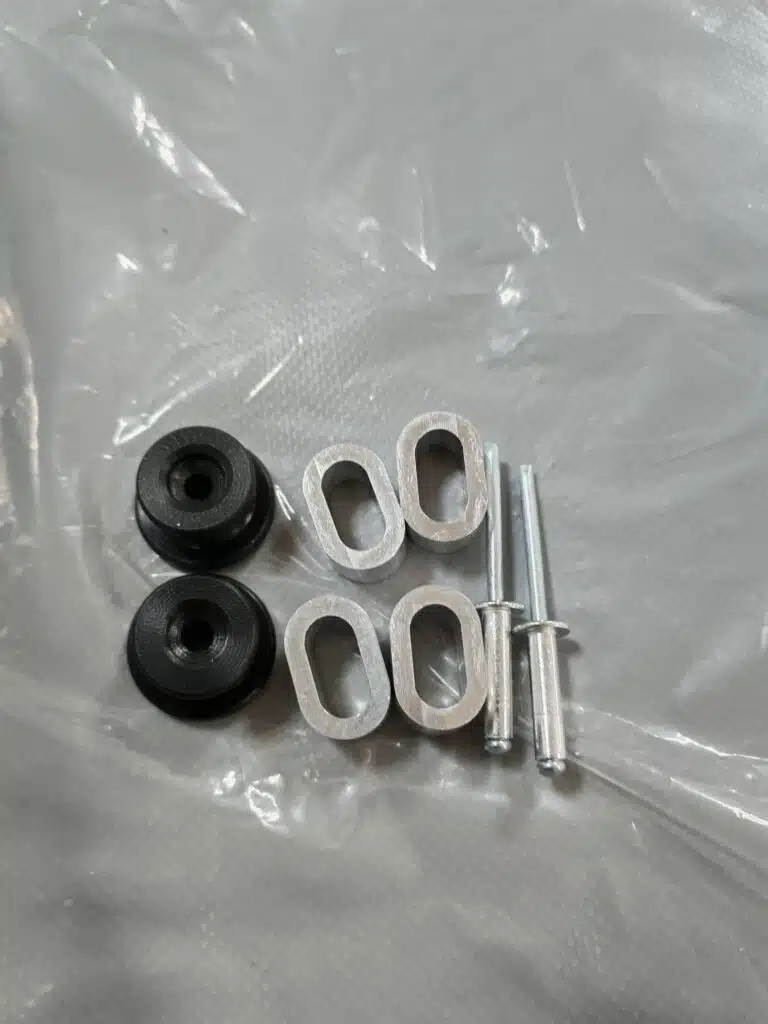
Your strap diameter must match the internal dimensions of clamps and mounting hardware to ensure proper fitment and secure connections.
Length Requirements for Large Trailers
Modern commercial trailers often require long-reach straps to span the full width or length of the cargo area. Standard lengths include:
- 4m (13.1 feet) – mid-size trailers
- 6m (19.7 feet) – standard commercial trailers
- 8m+ (26.2+ feet) – large commercial and specialized trailers
Longer straps provide the reach needed for full tarp coverage on wide or long trailer beds. When stretched to their working range, 8m+ straps can cover spans of 12-16m (39-52 feet).
Material Options
Natural Rubber
Provides excellent stretch properties and cold weather performance. Works well for seasonal use and lighter applications.
EPDM Rubber
Offers superior weather resistance and longer service life. Better choice for year-round commercial use and harsh environmental conditions.
Integration with Tarp Hardware
Rubber straps must work seamlessly with other tarp system components. The strap diameter needs to coordinate with grommet sizes and hardware specifications throughout your mounting system.
Proper integration ensures:
- Secure connections at all attachment points
- Even load distribution across the tarp
- Consistent tension maintenance during transport
- Reliable performance in various weather conditions
Installation Considerations
Attachment Points
Connect straps only to rated mounting points on your trailer frame. Ensure hardware can handle the expected loads from wind and cargo movement.
Proper Tensioning
Use straps at 150-200% of their relaxed length for optimal performance. This provides adequate securing force while preventing over-stress that can lead to premature failure.
Load Distribution
Space straps evenly around the tarp perimeter based on your specific trailer configuration and cargo requirements.
Maintenance and Replacement
Regular inspection helps prevent road failures and ensures system reliability. Check straps for cuts, cracking, or hardware corrosion before each trip.
Clean straps periodically with mild soap and water, especially after exposure to road salt or chemicals. Store in a cool, dry location when not in use.
Replace straps when they show signs of deterioration or when hardware becomes corroded or damaged.
System Performance
Quality rubber tarp straps contribute to overall system performance by maintaining consistent tarp tension throughout the journey. This prevents wind damage, reduces cargo exposure, and extends tarp life.
The straps work as part of the complete securing system, complementing other hardware components to provide reliable cargo protection in various operating conditions.
Cost and Value
While rubber tarp straps represent a smaller portion of the total tarp system cost, choosing quality components pays off through reduced maintenance, fewer road failures, and better cargo protection.
Professional-grade straps typically provide 2-5 years of reliable service in commercial applications, making them a cost-effective investment for fleet operators.
Recommended Further Exploration
Understanding grommet selection and installation helps ensure your straps integrate properly with tarp attachment points for maximum system performance.
Learning about complete trailer tarp systems provides insight into how straps work with other components to deliver reliable cargo protection.
Rubber tarp straps pair best with heavy-duty PVC tarpaulin covers — the strap stretch works with the tarps tensile strength to absorb road vibration without tearing grommets.