Are Trailer Tarps Waterproof? Manufacturer Insights & Maintenance Tips
Updated: 2025-08-11
Understanding Trailer Tarp Waterproofing
When you’re hauling cargo, moisture is the enemy. Rain, snow, and road spray can ruin goods in transit — so the natural question is: are trailer tarps waterproof?
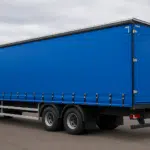
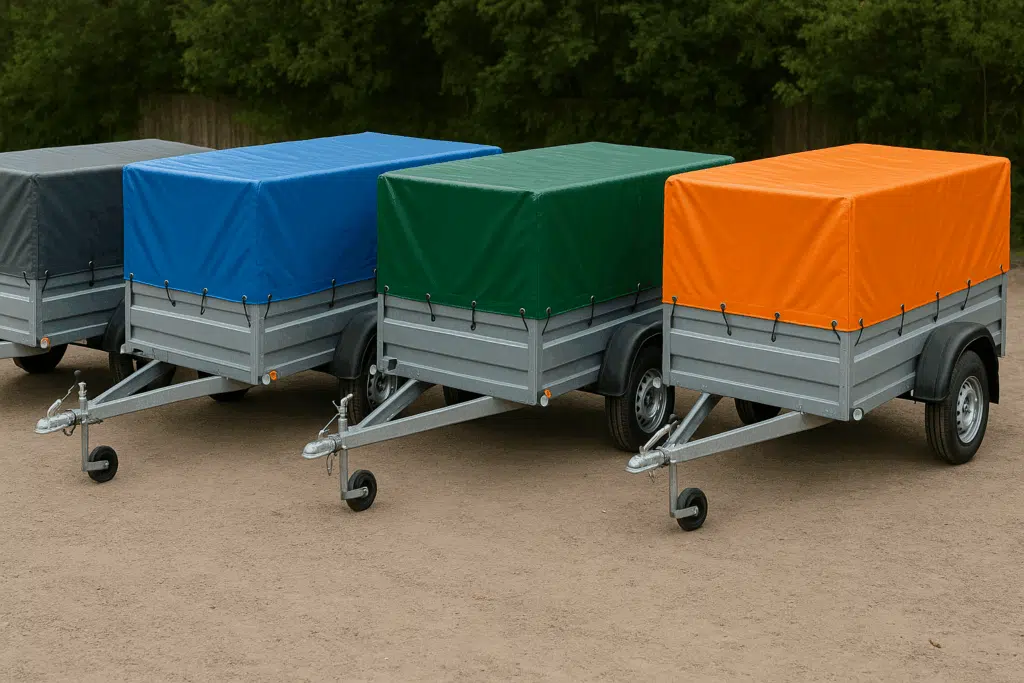
The short answer: Yes — when you choose high-quality PVC tarpaulin trailer tarps. These are designed with a tightly woven polyester base fabric coated with PVC resin, creating a fully sealed barrier that repels water and resists absorption.
You can explore our PVC Tarpaulin page for more about the waterproof materials we use.
What Makes a PVC Trailer Tarp Waterproof?
PVC-coated trailer tarps combine mechanical strength from the base fabric and impermeability from the coating layer. Here’s why they work so well:
- Coated Surface – Knife-coated PVC resin fills the fabric pores, creating a non-porous shield.
- Heat-Welded & RF-Sealed Seams – Instead of stitching, seams are joined using hot-air welding or RF (Radio Frequency) welding, which melts the PVC layers together at a molecular level. This creates a permanent, watertight bond that stops water infiltration.
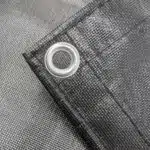
- Double Hemming for Edge Strength – The tarp edges are folded (hemmed) and sealed, often with webbing reinforcement. This prevents fraying, improves tear resistance, and eliminates gaps where water could enter.
- Protective Finishes – Acrylic or PVDF topcoats add UV resistance and improve water beading.
- Optional Self-Cleaning Coating – A special nano-treated surface prevents dust buildup and makes dirt wash off easily in the rain, keeping the tarp clean and maintaining waterproof efficiency longer.
- Performance Additives – If your routes demand extra protection, you can choose additives such as anti-mold, anti-mildew, anti-cold-crack, and flame-retardant treatments, ensuring your tarp performs in extreme weather and challenging environments. Learn more in our Additives Guide for Superior PVC Tarpaulin Performance.
For example, our heavy-duty trailer tarp fabric ranges from 650gsm to 1100gsm, offering tensile strengths above 3000 N/5 cm and tear resistance over 500 N, all with permanent waterproofing.
Waterproofing Responsibilities: Buyer vs Manufacturer
To keep a trailer tarp truly waterproof for years, both the user and the manufacturer play important roles.
✅ What You, the User, Must Do
- Inspect before use – Check for sharp cargo edges, tears, or seam stress before every trip.
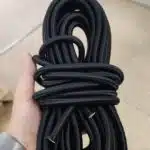
- Use correct fastening systems – Tighten with straps, rubber tarp straps, or bungees to prevent flapping that can wear coatings.
- Avoid dragging the tarp – Always lift instead of sliding it over abrasive surfaces.
- Clean & dry after exposure – Remove dirt, salt, and chemicals, then dry completely before storage.
- Store properly – Keep in a cool, dry place away from direct sunlight when not in use.
🏭 What We, the Manufacturer, Guarantee
- High-grade PVC tarpaulin – Using verified gsm, denier, and coating thickness to meet waterproof specs.
- RF and heat-welded seams – Creating permanent, watertight joints without stitching holes.
- Double hemming & reinforced edges – Preventing water ingress and improving tear resistance.
- Quality-control waterproof testing – Hydrostatic pressure, rain simulation, and seam leak checks before shipment.
- Optional performance coatings – Self-cleaning, anti-mold, UV-stabilized, and anti-cold-crack treatments tailored to your climate.
Waterproof Testing Methods for Trailer Tarps
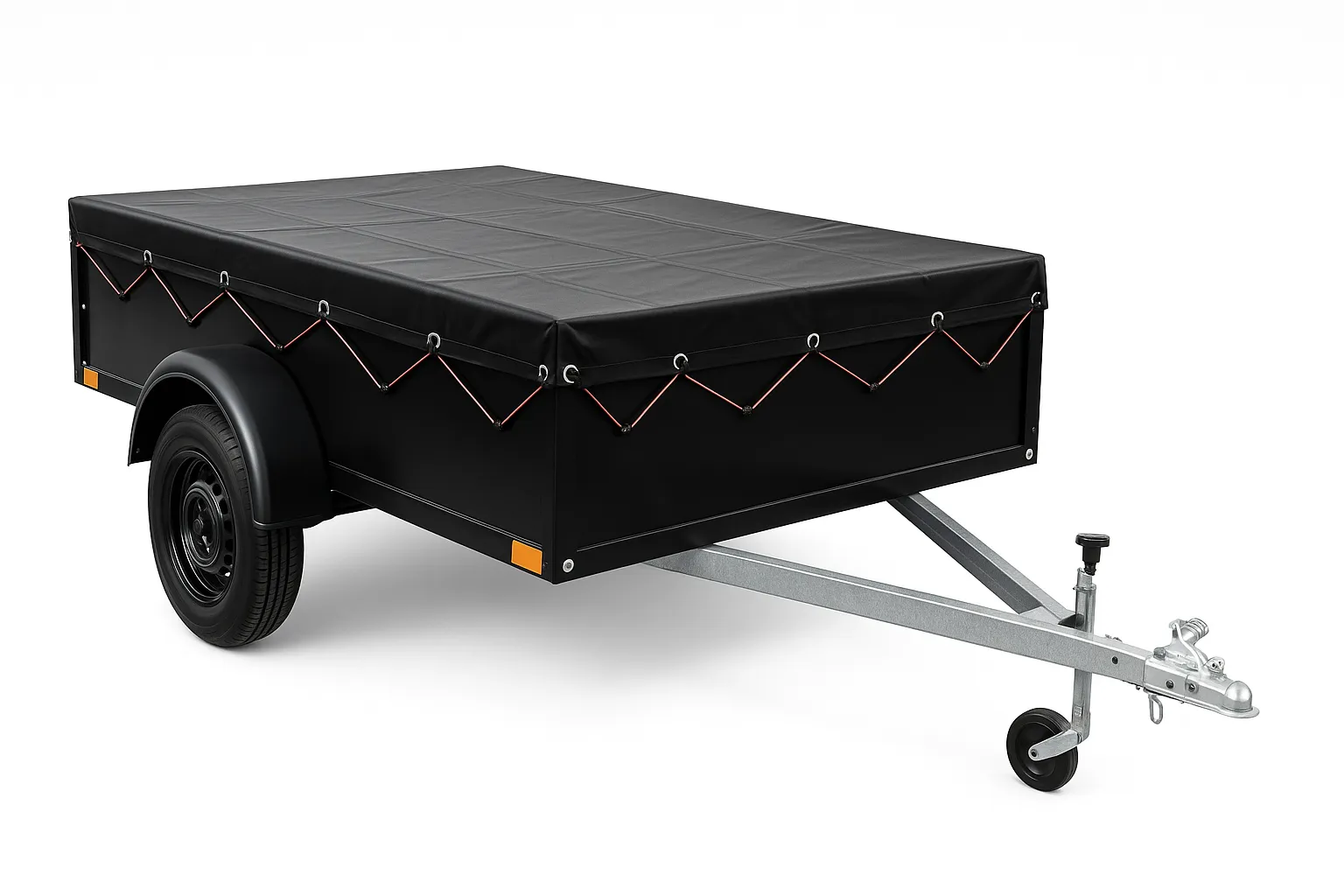
Professional tarp manufacturing includes strict waterproof tests:
- Hydrostatic Pressure Test – Measures how much water pressure the tarp can resist before leaking.
- Rain Simulation – High-volume water sprays simulate extreme rainfall over prolonged periods.
- Immersion Test – Fabric samples are submerged to check for wicking or seepage along the yarn.
- Seam Leak Test – Welded seams are stressed under water to confirm seal integrity.
If you want to understand how PVC coating technology impacts waterproofing, see our blog on How Knife Coating Machines Produce PVC Tarpaulin.
Maintenance Tips to Keep Your Trailer Tarp Waterproof
Even the best tarp can lose performance if neglected. Follow these steps to extend life and waterproofing:
- Clean Regularly – Use mild soap and water to remove dirt, chemicals, and road salt. Avoid harsh solvents.
- Dry Before Storage – Prevent mold and mildew growth by storing only when completely dry.
- Inspect Seams & Grommets – Check for wear or lifting edges that could allow leaks.
- Avoid Abrasion – Use corner protectors or padding to reduce rubbing against cargo edges.
- Re-seal Coatings if Needed – Apply approved PVC lacquer over high-wear areas for added protection.
For fastening methods that help maintain tarp tension and seal, see our guide on Rubber Tarp Straps.
When to Replace Your Trailer Tarp
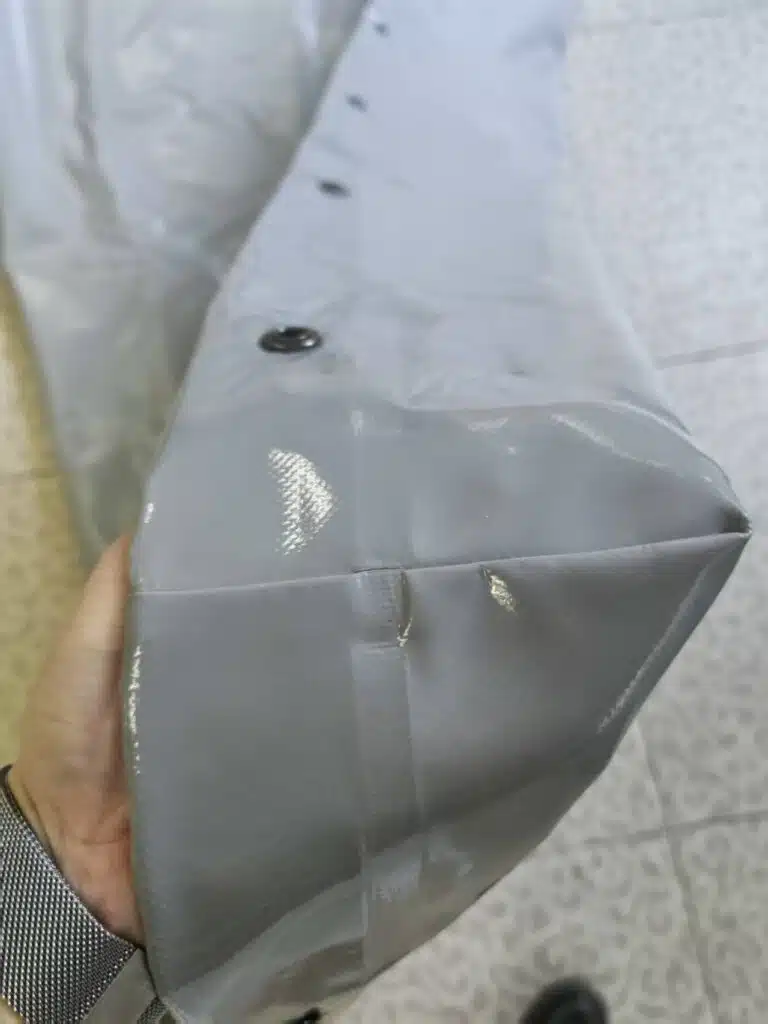
Even with excellent maintenance, constant sun exposure and mechanical stress will eventually degrade PVC coatings.
Signs it’s time to replace:
- Visible cracks or pinholes in the coating
- Persistent dampness under the tarp after rain
- Faded or chalky surface with loss of flexibility
Browse our Trailer Tarp options to find a fresh, fully waterproof replacement.
Related Trailer Tarp Options
These SKP pages connect waterproofing and maintenance questions to finished trailer tarp and custom fabrication options.
- trailer tarp for finished trailer tarp products.
- PVC tarpaulin OEM custom fabrication for custom welding, printing, hemming, eyelets, and accessories.