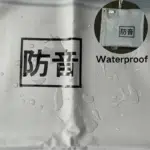
What Is A Tarpaulin?
A tarpaulin is a protective sheet used to shield goods, equipment, structures, or work areas from exposure such as:
- rain
- sunlight
- wind
- dust
- snow
- debris
In practice, a tarpaulin is not one single material. It is a broad category. Two tarpaulins may look similar at a distance and still behave very differently once they face wind load, abrasion, repeated fastening, or longer outdoor exposure.
That is why material choice matters more than the broad label itself.
If your question is mainly about the language difference, use Tarp vs Tarpaulin. If your question is already moving toward industrial-grade PVC, go directly to PVC Tarpaulin.
Tarpaulin Vs Tarp
In everyday use, tarp and tarpaulin usually refer to the same general category.
The practical difference is usually:
tarpaulin= the more formal termtarp= the shorter everyday term
The important distinction is not the word. It is the material and the job.
This page focuses on the category and the materials. The separate tarp vs tarpaulin page exists to answer the language-bridge question more directly.
How Tarpaulin Materials Differ
Before choosing a tarpaulin material, buyers should decide how the material needs to behave.
Waterproof
A waterproof tarpaulin acts as a barrier material.
Common directions:
- PVC tarpaulin
- PE tarpaulin
Water-Resistant
A water-resistant tarpaulin can handle light moisture exposure but does not behave like a full waterproof barrier in every application.
Breathable Or Airflow-By-Design
Some applications need airflow, lower wind pressure, or screening rather than a sealed cover.
Common direction:
- mesh materials
That is why asking “which tarpaulin is best?” is too broad. The first real decision is what behavior the application needs.
Main Tarpaulin Material Families
PE Tarpaulin
PE tarpaulin is commonly used for lighter-duty, temporary, or more price-sensitive applications.
It is often a practical option when:
- the use is short term
- the stress level is moderate
- the budget is tighter
- the material is not being asked to behave like a long-life industrial cover
PVC Tarpaulin
PVC tarpaulin is generally the heavy-duty and industrial-grade category within tarpaulin buying. It is usually the more relevant option when buyers need:
- stronger waterproofing
- stronger durability
- repeated handling tolerance
- harsher outdoor exposure
- conversion into more specialized finished products
For most industrial, transportation, and longer-term outdoor applications, PVC becomes the more relevant material family. If that is your direction, see PVC Tarpaulin.
If your real choice is between PVC and PE, see PVC vs PE Tarpaulin.
Canvas Tarpaulin
Canvas remains relevant in some breathable or traditional cover applications. It belongs to a different decision path from synthetic waterproof barrier materials.
Mesh Tarpaulin
Mesh materials are used when airflow, screening, reduced wind resistance, or shade behavior matter more than a sealed cover.
If the real application is mesh-specific, see PVC Mesh.
Common Tarpaulin Use Categories
Tarpaulins are used across very different application groups.
Transportation And Trucking
This is where buyers often move from broad tarpaulin language into more specific finished-product needs. The material may need to withstand tension, movement, weather, and repeated use.
Useful next steps:
Construction And Industrial
Construction and industrial users usually care about stronger durability, weather resistance, and more reliable long-term performance than casual use demands. This is often where PVC becomes the more suitable material path.
Shade, Awning, And Structural Use
Some outdoor applications care more about:
- surface appearance
- UV behavior
- color stability
- specialized conversion
These jobs often need a more specific product or material page.
Agriculture And General Outdoor Use
Some jobs still fit lighter-duty materials or a different behavior profile entirely, depending on whether the priority is breathability, temporary use, or stronger weather protection.
How To Choose The Right Tarpaulin Material
At a broad level, buyers should work through these questions:
- is the use temporary or long term?
- does the material need to be waterproof, water-resistant, or breathable?
- is the stress light, moderate, or demanding?
- is the job consumer-level, transport-related, or industrial?
- does the application need raw material only or a more specific finished product?
Use that logic this way:
- choose the category first
- then choose the material family
- then move into the more specific product information
This guide does not become a full specification article. Once the likely material option is clear, the correct move is to continue deeper.
Related Reading
- Need the language bridge between
tarpandtarpaulin? See Tarp vs Tarpaulin. - Need industrial-grade PVC material? See PVC Tarpaulin.
- Need a PVC-versus-PE decision? See PVC vs PE Tarpaulin.
- Need mesh material? See PVC Mesh.
- Need transport finished goods? See Trailer Tarp.